| |
| Tuesday, 22 September 2026 |
| Peggy Guggenheim - Saving Modern Art |
| Sarah Jaffray |
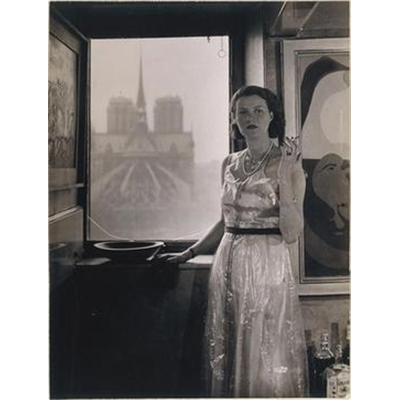 |
In 1948, the Venice Biennale reopened after six years of closure from World War II. The star pavilion was organised by Peggy Guggenheim. Her personal collection of modern art dazzled and dismayed visitors, stealing attention from all other exhibitions. Guggenheim had saved art and artists from the fascists who labelled them degenerate, bringing them to inspire a generation of artists in New York. This lecture introduces the collecting practices of Peggy Guggenheim, how she, in no small part, saved the history of European modernism from Nazi hands and how her landmark curatorial practice laid foundation for contemporary art galleries and the Venice Biennale. |
|
| Tuesday, 27 October 2026 |
| Time Machines: Clocks in Art and Literature from C1300 to the present day |
| Christina Faraday |
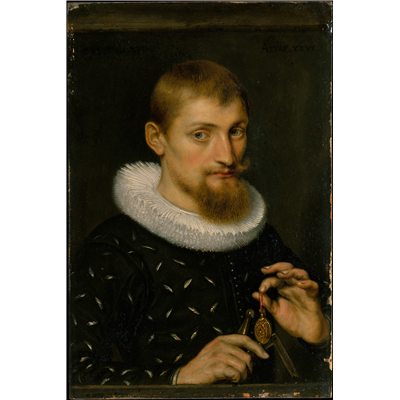 |
Few people nowadays give more than a second thought to their clocks: practical, sometimes beautiful, devices that form the background noise of our daily lives. But from their introduction in the thirteenth century onwards, clocks have held a variety of philosophical and social meanings. This talk explores the visual and literary uses of the clock, the varied meanings it could hold throughout the ages: as an ominous symbol of oncoming death, but also as a metaphor for the soul, for capitalism, and for the good use of time. |
|
| Tuesday, 24 November 2026 |
| Threads of History: the World of the Bayeux Tapestry |
| Rupert Willoughby |
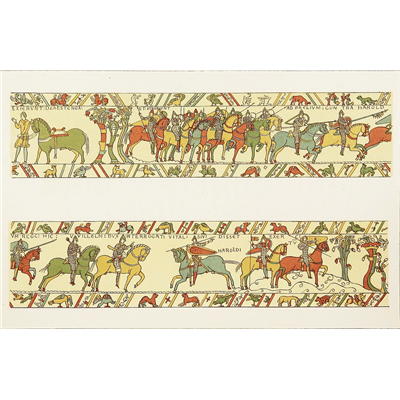 |
In this lively introduction to the tapestry – so much more than the story of Hastings – Rupert unravels some of its mysteries, places it in the context of its age and firmly establishes it as a landmark in the history of Western art. Commissioned by the Bishop of Bayeux who fought at Hastings, executed by skilled English craftsmen, the Bayeux Tapestry is the last survivor of a vanished art form. Rupert Willoughby presents a lively introduction to the tapestry – so much more than the story of Hastings – in which he unravels some of its mysteries, places it in the context of its age and firmly establishes it as a landmark in the history of Western art. |
|
| Tuesday, 15 December 2026 |
| From Yuletide to Nativity: Christmas in Early England |
| Dr Sam Newton |
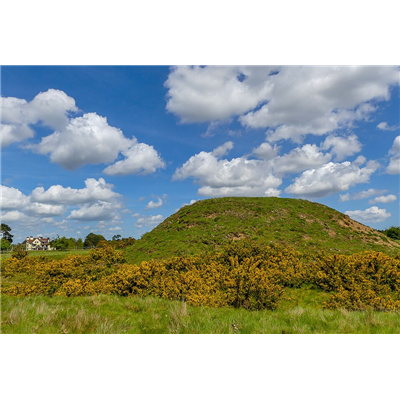 |
Rediscover the magic of Christmas with an exploration of the significance of the great midwinter festival in early England and how it was celebrated. We shall begin with a look at the Old English calendar, which reveals how the pre-Christian year was structured, and which provided the foundation for the Christian calendar among the English-speaking peoples. For example, Christmas Eve was known as Módra Niht, ‘Mothers’ Night’, in the old calendar, perhaps because it originally referred to the longest night of the winter, out of which the new year was born. We shall also consider, in the light of medieval art and literature, the evidence of Anglo-Saxon archaeology. Excavations of feasting-hall sites, like that recently revealed at Rendlesham, show us where the Yuletide festivals were held, while finds from rich barrow-burials, like Sutton Hoo, with their fine drinking-vessels and other feasting accoutrements, such as lyres, suggest some of the ways in which they were celebrated. |
|